
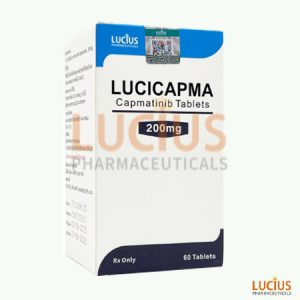
ルシウス・カプマチニブ – オンラインで購入
カルマチニブは、間葉系上皮形質転換因子(MET)を標的とする処方薬です。2020年5月に米国で販売承認されました。医師の指示に厳密に従って使用してください。
商品を見る
KESHAV
Capmatinib targets advanced lung cancer with MET exon 14 skipping.
Advanced non-small cell lung cancer rarely follows a single script, which is why genetic profiling has become standard practice. When test results highlight a MET exon 14 skipping mutation, your oncologist may discuss capmatinib as a targeted oral option. This medication blocks the specific molecular driver behind abnormal cell growth, offering a focused alternative to broad chemotherapy. Please note that this information supports shared decision-making with your care team and does not replace personalized medical advice.
Advanced lung cancer often carries specific genetic alterations that dictate treatment strategy. Capmatinib is an FDA-approved oral kinase inhibitor designed exclusively for adults whose tumors harbor a MET exon 14 skipping mutation. This mutation removes a natural braking mechanism on the MET receptor, causing cancer cells to divide continuously even without external growth signals.
Rather than attacking healthy dividing cells, capmatinib homes in on the mutated protein pathway. It is generally positioned for patients with locally advanced or metastatic disease who have progressed after prior systemic therapy, or who are not candidates for curative surgery. Confirming the exact mutation through comprehensive genomic profiling remains a mandatory step before initiation.
The MET receptor tyrosine kinase normally assists with tissue development and wound healing. In certain malignancies, a genetic deletion causes the receptor to skip exon 14 during RNA splicing. This structural change prevents the protein from being tagged for degradation, leaving it permanently activated on the cell surface.
Capmatinib enters the cell and binds directly to the ATP-binding pocket of the MET kinase domain. By occupying that site, it halts phosphorylation and interrupts the downstream signaling cascade responsible for proliferation, migration, and survival. Clinical imaging and biomarker tracking consistently show that sustained blockade correlates with tumor stabilization or measurable shrinkage.
The GEOMETRY mono-17 trial established the foundation for capmatinib in pretreated MET exon 14 skipping-positive NSCLC. Participants receiving the standard 400 mg twice-daily regimen achieved an overall response rate near 40 percent, with a substantial portion experiencing durable disease control extending beyond six months. Intracranial activity was also documented, indicating meaningful penetration across the blood-brain barrier.
Extended follow-up analysis revealed that response durability depends heavily on consistent drug exposure and proactive toxicity management. These outcomes have shaped current oncology guidelines, which now rank capmatinib among preferred regimens for eligible patients. Real-world registry data continues to mirror these controlled study findings across diverse clinical settings.
Most patients tolerate capmatinib with manageable adverse events, though vigilance remains essential. Peripheral edema, nausea, fatigue, and transient liver enzyme elevations occur most frequently. Swelling in the extremities often responds well to leg elevation, reduced sodium intake, and temporary dose modifications guided by your prescribing physician.
Rare but clinically significant reactions include interstitial lung disease, severe hepatotoxicity, and gastrointestinal hemorrhage. New or worsening shortness of breath, jaundice, dark urine, or unexplained bruising warrant immediate contact with your oncology team. Dose interruptions and supportive care protocols are standard practice to maintain treatment continuity while preserving safety.
Consistent administration matters more than rigid timing. The film-coated tablets can be taken with or without food, though large high-fat meals may delay absorption. If a dose is missed, simply skip it and resume the regular schedule; doubling up to compensate increases toxicity risk without improving efficacy.
Navigating insurance coverage typically involves prior authorization and specialty pharmacy distribution. Many commercial plans and Medicare Part D now reimburse targeted agents when molecular eligibility is verified, though copay structures vary. Hospital financial navigators and manufacturer support programs can streamline approval processes before the first prescription reaches the pharmacy counter.
Yes, it is frequently prescribed for patients whose disease progresses after platinum-based chemotherapy, provided comprehensive genomic testing confirms a MET exon 14 skipping mutation.
Symptom relief often appears within two to four weeks, while radiographic tumor reduction typically becomes visible on CT or PET scans after one to two treatment cycles.
Capmatinib remains under patent protection, so generic versions are not yet marketed. However, manufacturer copay assistance cards and state patient foundations frequently reduce monthly out-of-pocket costs substantially.
Oncologists usually pause therapy temporarily, manage symptoms with supportive medications, and restart at a reduced dose once toxicity resolves. Permanent discontinuation is reserved for life-threatening complications.
記事のタイトル、要約、本文から関連性の高い商品を自動的に表示しています。
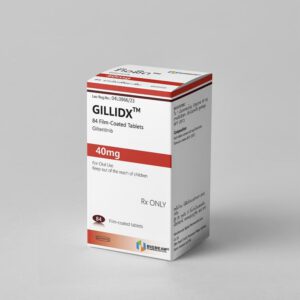
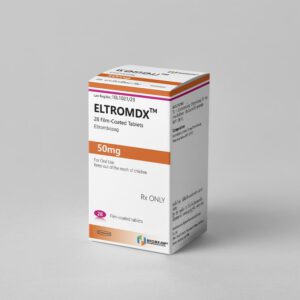
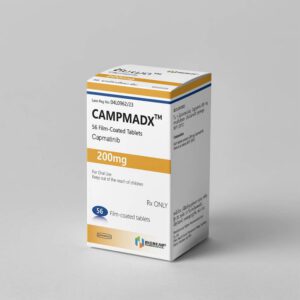
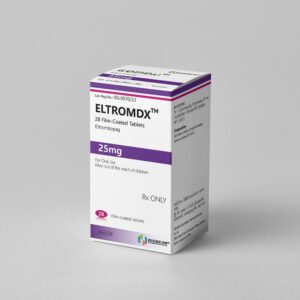
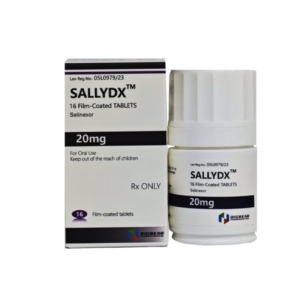
The system matched these relevant products from the article content: ルシウス・カプマチニブ – オンラインで購入、GILLIDX ギルテリチニブ 40mg、エルトロンボパグ50mg(ELTROMDX)、CAMPAMDX カプマチニブ 200mg.
Use the related product cards below the article to review available specifications, prices, product information, and reviews.
No. This content is for general information and health education only. Follow the prescription and individual guidance provided by qualified healthcare professionals.