
薬物と抗体:エイズに対する生物学的療法が実現に近づく – イル・ソーレ24オレ
Drugs and antibodies: biological therapy against Aids is getting closer Il Sole 24 ORE
記事本文
There was a different air in the air on this 37th World AIDS Day, presented yesterday with slogans like that of the International AIDS Society: 'Rethink. Resurrect. " Because the year that is coming to an end has given some reason to rethink, and perhaps even to begin to resurrect. Never as in the last few months have new therapies been presented that, for the first time, behave like those vaccines that may not arrive in the near future, because the HIV virus is too intelligent and mutable, but which could nevertheless be replaced by drugs that achieve the same result. And that is to the activation of the immune system in an anti-HIV key, despite the fact that the virus is precisely targeted. The first element of hope arrived around mid-year, with the approval in June by the Food and Drug Administration (FDA), followed shortly by that of the European Medicine Agency (EMA) of lenacapavir (Yeztugo), the first pre-exposure therapy (PrEP) to be administered only twice a year. The drug, to be taken if one has contact with people at risk or who have already been diagnosed, proved effective in more than 5,000 girls: none became infected, compared to only 2% of their peers who had not taken the drug. Similar results were seen in a study conducted on homosexuals and non-genders. The journal Science called this PrEP 'the closest thing to a vaccine' ever made, for its efficacy and also because the six-monthly administration could change everything, in countries plagued by the disease and beyond. The same comparison has also been made for a very different approach to lenacapivir, a traditional drug that targets the virus. Clinical trials called respectively FRESH, led by virologist Thumbi Ndung'u of the Africa Health Research Institute in South Africa, and RIO, coordinated by Sarah Fidler of Imperial College London, are in fact showing results that, although preliminary, have been described as extraordinary, because some people, after only one administration of the new therapies and without anything else, were still free of signs of viral reactivation after one to two years. To understand what this is all about, it is worth taking a step back, and recalling the history of patients called elite controllers, because of their (unexpected) ability to eliminate the virus without the need for antivirals, reported several times in the literature. The researchers started with them, and realised that, in some subjects, the virus' stay in the body for years had triggered a specific immune response, directed against parts of the virus that were not mutable like most viral proteins, but essential for the virus itself to infect cells. After several attempts, pharmacologists obtained two sets of antibodies called broadly neutralising antibodies because they are capable of neutralising the virus and more: a goal that had been pursued for decades. Thus in the FRESH study some active against the majority variants in South Africa were tested on young women, while in the RIO others directed against the typically European ones, in that case on young men. In both cases it was a single injection to be repeated if necessary after six months, without antiviral therapies, and in both cases a proportion of the patients had a specific and lasting immune response, remaining free of signs of reactivation even for two years. The reason seems to be clear: the neutralising antibodies remain attached to the surface of the viral particles and in this way not only prevent viral replication but also trigger the body's reaction. And all this occurs, at least in some, even in dormant viruses, the most difficult to flush out, but also the ones responsible for reactivation. The results so far concern only a few dozen patients, all closely monitored in both South Africa and the UK, but hopes are high. In the meantime, efforts are being made to optimise the therapy by adding other drugs or with protocols involving, for example, the early withdrawal of other therapies. One fact, however, is certain: the road to biological AIDS therapy seems paved. There was a different air in the air on this 37th World AIDS Day, presented yesterday with slogans like that of the International AIDS Society: . . .
この記事に関連する商品
記事のタイトル、要約、本文から関連性の高い商品を自動的に表示しています。
よくある質問
Which products are related to this article?
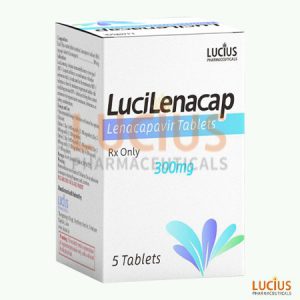
The system matched these relevant products from the article content: ルシウス・レナカパビル(レナカパビル) – オンラインで購入.
How can I view the medicines discussed in this article?
Use the related product cards below the article to review available specifications, prices, product information, and reviews.
Does this article replace advice from a doctor or pharmacist?
No. This content is for general information and health education only. Follow the prescription and individual guidance provided by qualified healthcare professionals.