
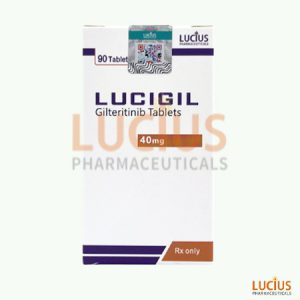
卢修斯 吉瑞替尼 Gilteritinib 在线购买
吉瑞替尼是一种于2018年11月在美国获批上市的处方药,靶向FMS样酪氨酸激酶3(FLT3)及其突变(包括FLT3-ITD和FLT3-TKD如D835Y、I836等),使用时需谨遵医嘱。
查看商品
KESHAV Medicine
FLT3抑制剂吉瑞替尼可能对急性髓系白血病(AML)也有效,可作为ALK抑制剂发挥作用。AJMC
A targeted treatment used for FLT3 inhibition may also be effective as an anaplastic lymphoma kinase (ALK) inhibitor in acute myeloid leukemia (AML), suggest findings from a case study. 1 The case study, which showed prolonged disease control achieved with gilteritinib (Xospata) in a previously-treated patient with AML with an inv(2)(p23q13) translocation, indicates that gilteritinib can also be used as an ALK inhibitor. Gilteritinib is currently approved for use in relapsed or refractory AML with a FLT3 mutation, receiving FDA approval for the disease type in 2018.2 “Our findings confirm that a RANBP2-ALK fusion can act as a driver mutation in AML and that gilteritinib can be a clinically effective and well-tolerated ALK inhibitor and could be considered as a component of treatment for any AML patient whose disease harbors an inv(2)(p23q13) mutation, ” commented the researchers of the case study, who detailed their findings in NPJ Precision Oncology. 1 The patient included in the case study was a 75-year-old woman with ALK-fusion positive AML with a suspected germline DDX41 mutation. At the time of the paper’s publication, the patient had achieved an ongoing response with gilteritinib for over a year, showing near normal blood count without dependence on transfusions and no evidence of disease. Improvements in their condition began 3 weeks after the initiation of gilteritinib, with the patient reporting improvements in fatigue and with lab workup showing near-normal peripheral blood counts over the next 8 weeks. At 10 weeks, absolute neutrophil counts, hemoglobin, and platelets began to normalize, and bone marrow biopsy showed no increase in blasts or abnormal monocytes. These improvements suggest promising efficacy of ALK inhibition in the hematological malignancy subtype. ALK inhibitors, such as crizotinib, ceritinib, and alectinib, have been an established, effective option for NSCLC, having shown improvements over chemotherapy in both the first-line and second-line setting (HR, 0.42;
P <
. 00001). 3 Most recently, alectinib received the green light from the FDA for adjuvant treatment of NSCLC following results from the ALINA trial showing that the treatment yielded a 94% 2-year overall survival rate compared with 64% with chemotherapy. 4 Despite multiple ALK inhibitors having indications in NSCLC, the researchers chose treatment with gilteritinib due to feasibility of insurance coverage, in addition to certain clinical considerations. “This case raises questions about the ‘right to try’ for cancer patients and underscores the importance of compassionate use programs provided by pharmaceutical companies, which can be instrumental in cases like this, ” wrote the researchers. “Given the rarity of ALK-fusions in hematologic malignancies, there may never be clinical trials or FDA approvals available except for a tumor-agnostic approach, as seen with other oncogenic aberrations such as BRAFV600E, NTRK, RET, among others. "
The processes behind approval and insurance coverage in this area remains a pertinent challenge for rare cancer types accompanied by rare, targetable genetic variations, they stated, which oftentimes limits the quality options that are afforded to patients by their health care providers. 1 Prior to gilteritinib treatment, the patient was previously treated with standard therapies, yet remained transfusion-dependent and had worsening disease. The patient also had a history of essential thrombocytopenia (ET). The presence of ET and AML, explain the researchers, may have be attributable to her presumed germline DDX41 alteration, explained the researchers. Germline DDX41 alterations, although being associated with an increased risk of myeloid malignancies like AML, have also been associated with more favorable survival. References: Adashek JJ, Brodsky M, Levis MJ. Complete morphologic response to gilteritinib in ALK-rearranged acute myeloid leukemia. Published online September 10,2024. doi: 10.1038/s41698-024-00701-y FDA approves gilteritinib for relapsed or refractory acute myeloid leukemia (AML) with a FLT3 mutation. Accessed September 25,2024. https: //www. fda. gov/drugs/fda-approves-gilteritinib-relapsed-or-refractory-acute-myeloid-leukemia-aml-flt3-mutation Khan M, Lin J, Liao G, et al. ALK inhibitors in the treatment of ALK positive NSCLC. Published online January 8,2019. doi: 10.3389/fonc. 2018.00557 Alectinibapproved as an adjuvant treatment for lung cancer. Accessed September 25,2024. https: //www. cancer. gov/news-events/cancer-currents-blog/2024/fda-alectinib-lung-cancer-alk-positive The case study, which showed prolonged disease control achieved with gilteritinib in a previously-treated patient with AML with an inv(2)(p23q13) translocation, indicates that gilteritinib can also be used as an anaplastic lymphoma kinase (ALK) inhibitor.
系统已根据文章标题、摘要和正文内容,自动匹配当前在售商品中的强相关药品。
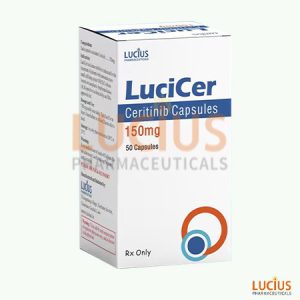
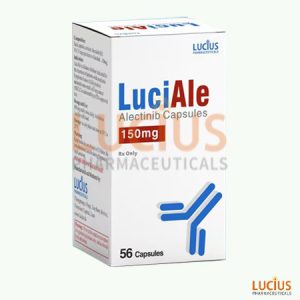
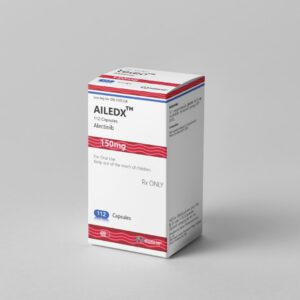
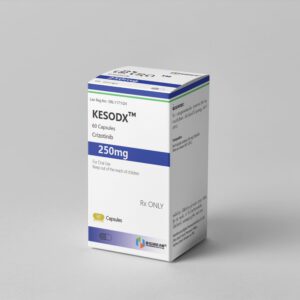
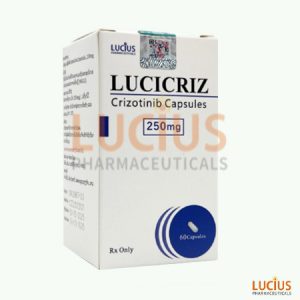
系统已根据文章内容自动匹配到相关商品,包括:卢修斯 吉瑞替尼 Gilteritinib 在线购买、卢修斯 塞瑞替尼 Ceritinib 在线购买、卢修斯 阿来替尼 Alectinib 在线购买、大熊 阿来替尼胶囊 AILEDX Alectinib 在线购买。
点击文章下方的相关商品卡片,即可查看商品规格、价格、说明和评价。
不能。本文只提供一般药品信息和健康教育,具体用药应遵循医生处方和药师指导。