
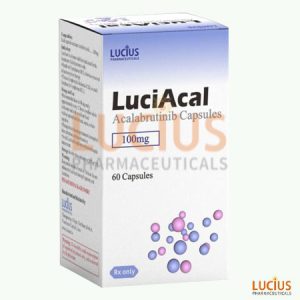
Lucius Acalabrutinib – Acheter en ligne
L'acalatinib a été autorisé à la vente aux États-Unis pour la première fois en 2011 et a depuis lors accumulé une vaste expérience clinique.
Voir le produit
KESHAV
Le vénétoclax-obinutuzumab est supérieur à l'acalabrutinib en traitement de première ligne de la LLC (AJMC)
In treatment-naive patients with chronic lymphocytic leukemia (CLL) who lack TP53 mutations, the fixed-duration combination of venetoclax plus obinutuzumab was associated with longer time to next treatment (TTNT) and better 4-year overall survival (OS) compared with the Bruton'
s tyrosine kinase (BTK) inhibitor acalabrutinib, although at the cost of higher rates of cytopenias and infectious complications, according to a real-world propensity score-matched analysis published in Cancer Medicine. 1 The findings fill a meaningful gap for the authors, who wrote, “Despite robust phase 3 data supporting each regimen, direct head-to-head comparisons are lacking. Moreover, randomized trials often involve selected populations that may not represent real-world patients, who commonly have more comorbidities, variable adherence, and differing clinical priorities. ” What the Data Revealed Researchers used the TriNetX global federated health database to identify treatment-naive patients with TP53 wild-type CLL who started first-line therapy after January 1,2015. After eligibility screening and 1: 1 propensity score matching, the analysis included 669 matched pairs receiving either acalabrutinib or venetoclax plus obinutuzumab. Equivalent amounts of patients from each treatment group—20.8% and 20.5%, respectively—were 75 years or older at their index date, or the date of first dose administration. At least 85% of each cohort was White (P =. 388). Patients were followed until death, loss to follow-up, or the April 15,2025, data cutoff, whichever was earliest. The primary end point was TTNT, and secondary end points were OS and adverse events (AEs). Baseline values for hemoglobin, platelet count, elevated lactate dehydrogenase, and estimated glomerular filtration rate were close to equal. TTNT strongly favored the venetoclax-based regimen. The median TTNT for acalabrutinib was 47.7 months but was not reached in the venetoclax plus obinutuzumab group. Estimated 4-year TTNT rates were 49.1% vs 63.6% (HR, 1.84;
95% CI, 1.50-2.26; P < . 0001). The 4-year OS rate also favored venetoclax plus obinutuzumab: 88.4% vs 81.7% (HR, 1.84; 95% CI, 1.28-2.65;
P =. 0009), but these data were limited due to the study’s short follow-up (23.4 months for those who received venetoclax and 20.5 months for acalabrutinib) and observational design. Subgroup analyses were consistent across age, sex, race, disease stage, and most comorbidities, with no statistically significant difference among patients with atrial fibrillation, diabetes, or cerebrovascular disease. Six-year follow-up from the phase 3 CLL14 trial (NCT02242942) showed durable progression-free survival (PFS) and OS with venetoclax plus obinutuzumab, lending clinical trial support to these real-world findings. 2,3 The Tradeoff: Efficacy With a Higher Toxicity Burden The combination’s clinical advantage came with meaningful AE differences. Compared with acalabrutinib, venetoclax plus obinutuzumab was associated with higher rates of neutropenia (all grades: 54.3% vs 33.3%;
grade 3/4: 35.2% vs 20.2%), thrombocytopenia (all grades: 45.9% vs 31.9%), febrile neutropenia (7.1% vs 3.4%), COVID-19 infection (13.1% vs 9.4%), and tumor lysis syndrome (6.3% vs 2.3%). 1 The elevated infection rate is likely tied to obinutuzumab’s suppression of humoral immunity, the authors explained, a pattern consistent with recent reporting on serious infection risk with venetoclax plus obinutuzumab vs zanubrutinib. 4 Despite the toxicity signals, real-world discontinuation rates for the combination remain low when supported by appropriate monitoring and supportive care. Atrial fibrillation occurred in 9.4% of acalabrutinib-treated patients vs 7.1% in the venetoclax plus obinutuzumab group, a difference that did not reach statistical significance, although cardiovascular risk with BTK inhibitors remains a key clinical consideration. 5 Why Acalabrutinib Stays the Default in Practice Before matching, acalabrutinib was prescribed more than 3 times as often (2097 vs 682 patients), reflecting its practical edge: once-daily oral dosing, no intravenous infusions, and lower monitoring intensity. Patients who received venetoclax plus obinutuzumab tended to be younger with a heavier disease burden, a finding also seen in recent real-world data showing that age and genetic risk profile are the primary drivers of frontline regimen selection in CLL. 6 Real-world treatment durations for acalabrutinib also lag behind trial data. 1 What This Means for Managed Care The fixed 12-month duration of venetoclax plus obinutuzumab vs acalabrutinib’s continuous use until progression has direct implications for payer formulary strategy. Durable remissions with the combination have the potential to lower long-term drug spend, even though the regimen’s acute toxicity burden, including cytopenias requiring management and higher infection rates, may introduce offsetting costs. The study could not capture adherence, dose intensity, or supportive care use, limiting precision on the cost side. Also, the TriNetX database lacked detailed cytogenetic and molecular information, “precluding subgroup analyses based on established genomic risk factors and potentially influencing treatment outcome comparisons. ” The prospective CLL17 trial is expected to provide randomized head-to-head evidence in this space. Until those results are available, this analysis offers some of the most rigorous real-world data to guide treatment decisions for TP53 wild-type CLL. References Liao PW, Ko BS, Su YC, Chao WT, Teng CLJ. Acalabrutinib versus venetoclax plus obinutuzumab in treatment-naive chronic lymphocytic leukemia: a real-world propensity score-matched study. Cancer Medicine. 2026;
15(6): e72022. doi: 10.1002/cam4.72022 Kaltwasser J. 6-year data support fixed-duration ven-obi for untreated CLL. Accessed June 16,2026. https: //www. ajmc. com/view/6-year-data-support-fixed-duration-ven-obi-for-untreated-cll Comparison of the treatments of obinutuzumab + venetoclax versus obinutuzumab + chlorambucil in patients with chronic lymphocytic leukemia. Accessed June 16,2026. https: //clinicaltrials. gov/study/NCT02242942 Rath K. Higher infection risk with venetoclax-obinutuzumab vs zanubrutinib in CLL/SLL. Accessed June 16,2026. https: //www. ajmc. com/view/higher-infection-risk-with-venetoclax-obinutuzumab-vs-zanubrutinib-in-cll-sll Contributor. Lower risk of cardiovascular events with acalabrutinib vs ibrutinib in CLL in real-world study. Accessed June 16,2026. https: //www. ajmc. com/view/real-world-findings-confirm-lower-risk-of-cardiovascular-events-with-acalabrutinib-vs-ibrutinib-in-cll Shaw ML. Age and genetics drive real-world CLL treatment choices. Accessed June 16,2026. https: //www. ajmc. com/view/age-and-genetics-drive-real-world-cll-treatment-choices This new analysis offers some of the most rigorous real-world data to guide treatment decisions for TP53 wild-type chronic lymphocytic leukemia.
Ces produits ont ete automatiquement associes au titre, au resume et au contenu de l article.
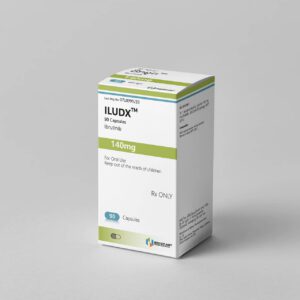
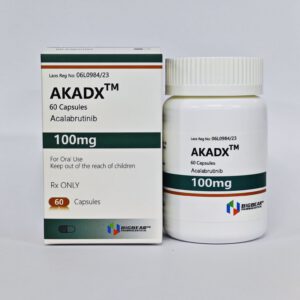
The system matched these relevant products from the article content: Lucius Acalabrutinib – Acheter en ligne Acheter Lucius Ibrutinib en ligne Lucius Venetoclax – Acheter en ligne VECLADX Venetoclax 100 mg.
Use the related product cards below the article to review available specifications, prices, product information, and reviews.
No. This content is for general information and health education only. Follow the prescription and individual guidance provided by qualified healthcare professionals.