

盧修斯 貝組替凡 Belzutifan 線上購買
貝組替凡(Belzutifan)是一種於2021年8月13日首次獲得美國FDA核准上市的處方藥,其適應標靶為缺氧誘導因子-2α(HIF-2α),使用時需謹遵醫囑。
查看商品
KESHAV Medicine
2026年6月12日,新澤西州拉威市--(BUSINESS WIRE)--默克公司(NYSE:MRK),在美國和加拿大以外地區稱為MSD,今天宣布其在美國的專利到期。
Keytruda (pembrolizumab) FDA Approval History The approvals are based on results from the pivotal Phase 3 LITESPARK-022 trial. LITESPARK-022 enrolled 1,841 patients and demonstrated that Keytruda in combination with Welireg significantly improved disease-free survival (DFS), the trial’s primary endpoint, reducing the risk of disease recurrence, metastasis or death by 28% (HR=0.72;
p=0.0003) for patients with ccRCC at intermediate-high or high risk of recurrence following nephrectomy, or following nephrectomy and resection of metastatic lesions compared to Keytruda plus placebo. The estimated 24-month DFS rate was 81% (95% CI 0.78-0.83) with Keytruda plus Welireg compared to 74% (95% CI 0.71-0.77) with Keytruda plus placebo. Median DFS was not reached in either arm. Overall survival (OS) results were not yet mature at this interim analysis. The effectiveness of Keytruda Qlex for its approved indications has been established based upon evidence from the adequate and well-controlled studies conducted with Keytruda and additional data from MK-3475A-D77 comparing the pharmacokinetic, efficacy, and safety profiles of Keytruda Qlex and Keytruda. The Welireg prescribing information contains a boxed warning that exposure to Welireg during pregnancy can cause embryo-fetal harm. Verify pregnancy status prior to the initiation of Welireg. Advise patients of these risks and the need for effective non-hormonal contraception. Welireg can render some hormonal contraceptives ineffective. Welireg can cause severe anemia that can require blood transfusion. Monitor for anemia before initiation of, and periodically throughout, treatment with Welireg. Welireg can cause severe hypoxia that may require discontinuation, supplemental oxygen or hospitalization. Monitor oxygen saturation before initiation of, and periodically throughout, treatment with Welireg. For more information, see “Selected Safety Information” below. Keytruda Qlex is contraindicated in patients with known hypersensitivity to berahyaluronidase alfa, hyaluronidase or to any of its excipients. Keytruda and Keytruda Qlex are associated with the following Warnings and 注意事项: severe and fatal immune-mediated adverse reactions in any or multiple organs, which can occur during or after treatment, including pneumonitis, colitis, hepatitis, endocrinopathies, nephritis, dermatologic reactions, solid organ transplant rejection, other transplant (including corneal graft) rejection;
severe and life-threatening infusion or injection-related reactions; fatal and other serious complications in patients who receive allogeneic hematopoietic stem cell transplantation before or after beginning treatment; embryo-fetal toxicity;
and increased mortality in patients with multiple myeloma when Keytruda or Keytruda Qlex is added to a thalidomide analogue plus dexamethasone, which is not recommended outside of controlled trials. Immune-mediated adverse reactions listed here may not include all such possible severe or fatal reactions. For more information, see “Selected Safety Information” below. “Patients with earlier-stage renal cell carcinoma at high risk of recurrence after surgery may see their cancer return, frequently as metastatic disease, ” said Dr. Toni K. Choueiri, director, Lank Center for Genitourinary Oncology, Dana-Farber Cancer Institute and Jerome and Nancy Kohlberg professor of medicine, Harvard Medical School. “The results of the LITESPARK-022 trial demonstrated the ability of pembrolizumab in combination with belzutifan to reduce the risk of disease recurrence, metastasis, or death by 28%, which represents an important new option for these patients to help keep their clear cell renal cell carcinoma from coming back. ” “Reflecting on my own experience as a clinical oncologist, I know the significant impact that improved disease-free survival can have on the lives of patients, ” said Dr. M. Catherine Pietanza, vice president, global clinical development, Merck Research Laboratories. “These approvals demonstrate Merck’s commitment to pursuing innovative treatment options that may help these patients experience longer periods without disease. ” “The FDA approval of the novel Keytruda and Welireg combination is exciting news for the kidney cancer community, ” said Bryan Lewis, CEO and co-founder, KidneyCan. “This progress reflects an important step in addressing the needs of patients with earlier-stage renal cell carcinoma. ” Study design and additional data from LITESPARK-022 LITESPARK-022 is a multicenter, randomized, double-blind Phase 3 trial (ClinicalTrials. gov, NCT05239728) evaluating Welireg in combination with Keytruda compared to placebo plus Keytruda for the adjuvant treatment of ccRCC post nephrectomy. Eligible patients had intermediate-high or high risk of recurrence of RCC, or M1 no evidence of disease (NED). Patients must have undergone a partial or radical nephrectomy, and if indicated, metastasectomy within two years of nephrectomy, within ≥4 weeks prior to the time of screening. Patients were excluded from the trial if they had received prior systemic therapy for advanced RCC. The trial enrolled 1,841 patients who were randomized (1: 1) to receive either: The major efficacy outcome measure was investigator-assessed DFS and an additional outcome measure was OS. The safety of Welireg in combination with Keytruda was evaluated in LITESPARK-022. A total of 915 patients received Welireg in combination with Keytruda and a total of 913 patients received oral placebo in combination with Keytruda. The median duration of exposure to Welireg was 12.4 months (range 1 day to 20.1 months). The median duration of exposure to Keytruda in the treatment arm was 11.1 months (range: 1 day to 16.1 months). Serious adverse reactions occurred in 30% of patients who received Welireg in combination with Keytruda. The most frequently reported serious adverse reactions (≥1%) were pneumonia (2%), hypoxia (1.9%), pneumonitis (1.6%), arrhythmia (1.5%), diarrhea (1.1%), and acute kidney injury (1.1%). Fatal adverse reactions occurred in 1.1% of patients who received Welireg in combination with Keytruda, including sepsis (0.1%). Welireg was permanently discontinued due to adverse reactions in 27% of patients. Adverse reactions which resulted in permanent discontinuation of Welireg in ≥1% of patients included anemia (4%), fatigue (2.2%), rash (2%), increased alanine aminotransferase (ALT) (1.7%), hypoxia (1.6%), diarrhea (1.4%), pneumonitis (1.3%), increased aspartate aminotransferase (AST) (1.1%), and hepatic function abnormal (1%). Keytruda was permanently discontinued due to adverse reactions in 23% of patients. Adverse reactions which resulted in permanent discontinuation of Keytruda in ≥1% of patients included increased ALT (4.5%), increased AST (3%), pneumonitis (2.4%), diarrhea (2.4%), and rash (1.5%). 用法用量 interruptions of Welireg due to an adverse reaction occurred in 52% of patients. Of the patients who received Welireg in combination with Keytruda, 30% were ≥65 years old and 5% were ≥75 years old. Dose interruptions of Welireg occurred in 57% of patients ≥65 years of age and in 49% of younger patients. Adverse reactions which required dosage interruption of Welireg in ≥2% of patients included anemia (25%), fatigue (3.7%), increased ALT (3.5%), diarrhea (3.4%), increased AST (3.4%), COVID-19 (2.6%), hypoxia (2.5%), pyrexia (2.5%), musculoskeletal pain (2.1%), and rash (2.1%). Dose interruptions of Keytruda due to an adverse reaction occurred in 29% of patients. Adverse reactions which required dosage interruption of Keytruda in ≥2% of patients included anemia (3.2%), diarrhea (3%), increased ALT (3%), and increased AST (2.5%). Dose reductions of Welireg due to an adverse reaction occurred in 34% of patients. Dose reductions of Welireg occurred in 39% of patients ≥65 years of age and in 32% of younger patients. Adverse reactions which required dose reduction in ≥3% of patients included anemia (17%), hypoxia (3.5%), increased ALT (3.2%), and fatigue (3.1%). The most common (≥25%) adverse reactions, including laboratory abnormalities, in patients who received Welireg in combination with Keytruda were decreased hemoglobin (95%), increased ALT (57%), fatigue (49%), increased AST (46%), decreased lymphocytes (38%), and increased alkaline phosphatase (29%). Renal cell carcinoma (RCC) is the most common type of kidney cancer, with about nine out of 10 kidney cancer diagnoses being RCC. In 2022, there were about 435,000 new cases of kidney cancer diagnosed and approximately 156,000 deaths from the disease worldwide. In the U. S. , it is estimated there will be more than 80,000 new cases of kidney cancer diagnosed and more than 15,000 deaths from the disease in 2026. Renal cell carcinoma is about twice as common in men as in women. Cases of RCC might be discovered incidentally during imaging tests for other reasons. Clear cell renal cell carcinoma, which accounts for 70% of RCC diagnoses, is the most common subtype. About Merck’s early-stage cancer clinical program Finding cancer at an earlier stage may give patients a greater chance of long-term survival. Many cancers are considered most treatable and potentially curable in their earliest stage of disease. Building on the strong understanding of the role of Keytruda in later-stage cancers, Merck is evaluating our portfolio of medicines and pipeline candidates in earlier disease states, with more than 30 ongoing registrational studies across multiple types of cancer. About Merck’s research in genitourinary cancers Merck is advancing research aimed at helping transform the treatment landscape and broaden options for people with genitourinary (GU) cancers, including bladder, kidney and prostate cancers. Globally, GU cancers account for an estimated 2.6 million new cancer diagnoses each year, equaling over 1 in 8 of all cancer incidences. Through a robust clinical development program with more than 50 ongoing clinical trials evaluating more than 22,000 patients around the world, Merck is investigating the potential of several portfolio medicines and pipeline assets, leveraging multiple novel combination strategies, across various stages of disease, to help address unmet needs in GU cancers. About Welireg (belzutifan) 40 mg tablets, for oral use Welireg, Merck’s first-in-class hypoxia-inducible factor 2 alpha (HIF-2α) inhibitor, is an orally administered small-molecule that in conditions of hypoxia or impairment of VHL protein function, blocks HIF-2alpha and HIF-1beta interaction, which may reduce the transcription and expression of HIF-2α target genes associated with cellular proliferation, angiogenesis and tumor growth. By inhibiting HIF-2α signaling, Welireg may disrupt key pathways certain tumors may use to adapt to low-oxygen conditions, including those that help promote abnormal blood vessel formation and support tumor survival. Welireg has received prior regulatory approvals in certain patients with von Hippel-Lindau (VHL) disease-associated tumors, advanced renal cell carcinoma with a clear cell component (ccRCC) and pheochromocytoma or paraganglioma (PPGL). As part of a broader clinical program, Merck continues to research Welireg for people with RCC and selected solid tumors across different treatment settings, to further understand where Welireg may provide clinical benefit. 适应症状 for Welireg (belzutifan) in the U. S. von Hippel-Lindau (VHL) disease Welireg is indicated for the treatment of adult patients with von Hippel-Lindau (VHL) disease who require therapy for associated renal cell carcinoma (RCC), central nervous system (CNS) hemangioblastomas, or pancreatic neuroendocrine tumors (pNET), not requiring immediate surgery. Renal Cell Carcinoma with a Clear Cell Component (ccRCC) Welireg, in combination with Keytruda or Keytruda Qlex, is indicated for the adjuvant treatment of adult patients with ccRCC at intermediate-high or high risk of recurrence following nephrectomy, or following nephrectomy and resection of metastatic lesions. Welireg is indicated for the treatment of adult patients with advanced ccRCC following a programmed death receptor-1 (PD-1) or programmed death-ligand 1 (PD-L1) inhibitor and a vascular endothelial growth factor tyrosine kinase inhibitor (VEGF-TKI).
系統已根據文章標題、摘要和正文,自動匹配目前在售的強相關藥品。
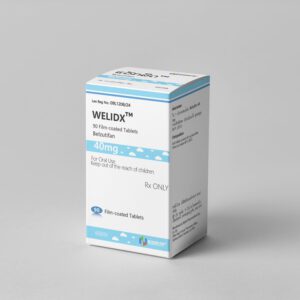
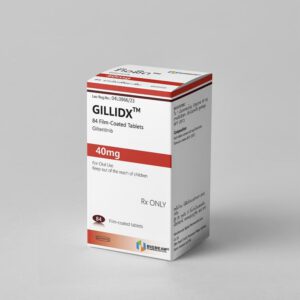
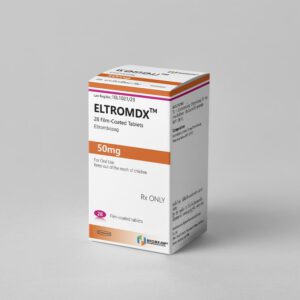
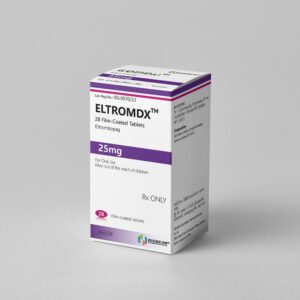
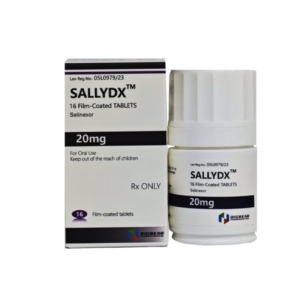
The system matched these relevant products from the article content: 盧修斯 貝組替凡 Belzutifan 線上購買、貝組替凡片 WELIDX Belzutifan、吉瑞替尼片 GILLIDX Gilteritinib 40mg、艾曲波帕錠 ELTROMDX Eltrombopag 50mg.
Use the related product cards below the article to review available specifications, prices, product information, and reviews.
No. This content is for general information and health education only. Follow the prescription and individual guidance provided by qualified healthcare professionals.