Full Article Content
On March 15th, the National Medical Products Administration (NMPA) officially announced on its website that it had approved the marketing of Tolametinib Capsules (trade name: Keluping®), a Class 1 small molecule innovative drug developed by Kezhou Pharmaceutical Co. , Ltd. This product is indicated for patients with NRAS-mutant advanced melanoma who have failed PD-1/PD-L1 therapy. Tolametinib Capsules (Keluping®) is not only the world's first approved MEK inhibitor for NRAS-mutant advanced melanoma, but also the first domestically developed MEK inhibitor in my country. The launch of this drug provides a new treatment option for patients with NRAS-mutant advanced melanoma who have failed PD-1/PD-L1 therapy. The "Meilan Interview" column had the opportunity to interview Professor Guo Jun of Peking University Cancer Hospital, a leading figure in melanoma research in my country. He established China's first specialized melanoma ward, spearheaded the establishment of a standardized melanoma diagnosis and treatment system in China, became the project leader for most clinical drug research projects in the field of melanoma in China and even Asia, and proposed Chinese treatment protocols for melanoma prevention and treatment worldwide. This is a new high-end interview column launched by, a subsidiary of MedThink. We delve into leading companies in the healthcare industry, engaging in dialogue with industry leaders;
uncovering challenges and pain points, discussing industry trends;
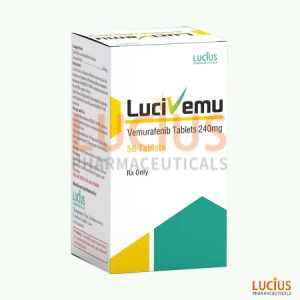
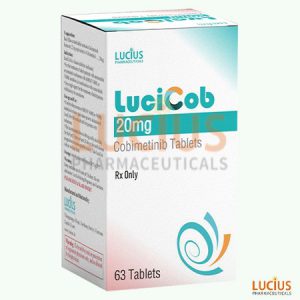
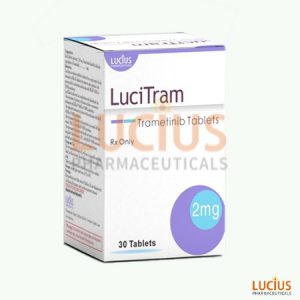
and documenting new paths for corporate transformation in the new era of healthcare. Member of the Expert Committee on Rational Drug Use of the National Health and Family Planning Commission (Anti-tumor Drug Professional Group) With the advent of vemurafenib, trametinib, dabrafenib, and cobimetinib, the treatment landscape for melanoma has been completely transformed over the past 40 years. Simultaneously, the combination of BRAF inhibitors and MEK inhibitors has greatly benefited patients with BRAF mutations, resulting in a dramatic improvement in treatment efficacy compared to the chemotherapy era: the response rate has increased from less than 10% in the past to approximately 70%. However, compared to BRAF mutations, NRAS mutations have always been a challenge in the global treatment of melanoma. BRAF inhibitors are clearly unsuitable for patients with NRAS mutations, and MEK inhibitors have a low response rate for these patients, with most studies showing an response rate below 15%, not significantly different from chemotherapy. Since the advent of immunotherapy, although patients with NRAS mutations have experienced some treatment benefits, they remain the group with the least satisfactory response to immunotherapy, and their treatment situation has not fundamentally improved. The incidence of NRAS-mutant melanoma in China is close to 20%, therefore, overcoming the challenge of NRAS mutations is of great significance for Asia, especially for melanoma treatment in China. Currently, monotherapy results are very good. The future will undoubtedly focus on combination therapy to further improve the objective response rate (ORR) and duration of response (DOR), with the ultimate goal of improving overall survival (OS). So, which drugs should talametinib capsules be combined with in the future?
Should it be combined with targeted therapy or immunotherapy?
We are currently conducting basic research on these questions and have already discovered many promising trends. I believe that combination therapy will quickly enter clinical trials, bringing higher objective response rates (ORR) and longer progression-free survival (mPFS) and OS to patients with NRAS mutations. Furthermore, I believe that talametinib capsules may not only be used for melanoma in the future but will also provide entirely new solutions for other tumor types. Clinical research in this area will be in full swing. As the saying goes, "fear stems from the unknown. " Society needs excellent public education to help melanoma patients overcome their fear of the disease and avoid detours in treatment. I have already done a lot of public education in this regard, and the simple "five-step mole identification method" can hopefully answer some of your questions: In the past 10 years, innovative pharmaceutical companies in China, especially biopharmaceutical companies, have made significant progress and development. It can be said that the ability of Chinese experts to stand on the world stage and report their latest research findings, gradually moving from the periphery to the center stage and into the spotlight, is thanks to the rapid development of domestic pharmaceutical companies. Along with the rapid development of Chinese national pharmaceutical companies, we have conducted more clinical research and provided the international community with more evidence-based medicine that is more relevant to Chinese cancer patients. This has led to the development of treatment guidelines with Chinese characteristics that fully consider the unique genetic background and disease characteristics of the Chinese population. I believe that in the future, innovative Chinese pharmaceutical companies will overcome many difficulties, continuously explore the boundaries of science, create miracles of life on the road to protecting health, and create miracles belonging to Chinese biopharmaceuticals. As doctors, we especially hope that more and better innovative new drugs will enter clinical trials and be quickly available to patients, maximizing their survival benefits—this is the ideal of every physician. Observe the symmetry of this mole;
malignant ones are generally asymmetrical in shape and grow unevenly. Observe the color;
the color of melanoma usually changes, often appearing as a dirty black, and may also show pigment loss. Observe the changes. Compared to before, it's important to note whether this mole has rapidly increased in size or thickness in a short period, and to pay attention to any bleeding or ulceration. Besides using the "ABCDE" principle for diagnosis, it's best to consult a specialist. Stage I and II melanomas can generally achieve clinical cure with standardized treatment. In recent years, under your leadership, melanoma research has developed rapidly. Could you please describe the current treatment status for NRAS-mutant advanced melanoma?
Based on the Phase II clinical trial results of tolametinib capsules that you just presented, could you please discuss the future therapeutic prospects of this drug? Early detection and treatment of malignant melanoma are crucial. What methods do you believe can help patients identify melanoma at an early stage?
This marks another milestone for domestically developed innovative drugs. Could you share your expectations or suggestions for the future development of innovative drug research and development in China?