
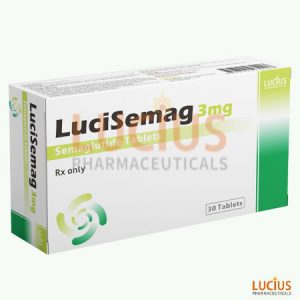
Buy Lucius Semaglutide online
Semaglutide tablets were approved by the U.S. FDA in January 2020. It is a prescription drug that targets the glucagon-like peptide-1 (GLP-1) receptor.
View Product
KESHAV
CAR-T之父最新论文!AI发现CAR-T新靶点,有效治疗多种癌症;全球首款CAR-T疗法最新随访结果,淋巴瘤患者实现十年缓解医药新闻-ByDrug-一站式医药资源共享中心-医药魔方 ByDrug
GLP-1 receptor agonists, represented by semaglutide, have become globally popular weight-loss drugs. However, the potential negative impacts of these drugs on bone health, accompanying rapid weight loss, are increasingly attracting clinical attention. Clarifying the direct mechanisms of action of these drugs on bone mass and strength is crucial for ensuring medication safety in high-risk groups undergoing weight loss. On June 18,2026, a research team from Columbia University published a research paper in Cell Reports Medicine entitled: "Negative effects of semaglutide on bone in obese mice. " The research team found that semaglutide significantly reduced bone mass and strength in obese mice and affected super-dietary diets. The mechanism was that the drug inhibited osteoblast activity rather than accelerating bone breakdown. Fortunately, this negative effect was reversible after discontinuation of the drug, suggesting that high-risk groups need close monitoring of bone health during weight loss. Thyroid ophthalmopathy (TED) is a rare and disabling autoimmune disease. This disease causes inflammation and tissue remodeling in the periocular and posterior ocular tissues, leading to bulging eyes, double vision, severe pain, and even visual impairment, significantly impacting patients' daily activities and mental and physical health. Clinically, there has long been a lack of highly effective and widely applicable drugs. On June 29,2026, Viridian Therapeutics announced that Lumvoa had received FDA approval for the treatment of TED. Two pivotal Phase 3 clinical data showed that the drug has a rapid onset of action, is well-tolerated, and significantly improves bulging eyes and double vision. In the THRIVE trial, 70% of patients experienced symptom remission at 15 weeks, and more than half of the patients experienced significant improvement within 3 weeks after a single treatment. Lumvoa is an intravenously infused antibody therapy targeting the insulin-like growth factor-1 receptor (IGF-1R), and it had previously received Breakthrough Therapy designation from the FDA. Notably, it is the world's first innovative therapy approved for the treatment of TED with clinical data from both the active and chronic disease stages, filling a treatment gap. In the biopharmaceutical field, the discovery and optimization of novel protein drugs often faces significant bottlenecks. Traditional research and development methods are cumbersome and time-consuming, taking months, and AI models are prone to overfitting when high-quality, large-scale data is lacking. The pharmaceutical industry urgently needs innovative platforms capable of generating massive amounts of experimental data in real time to achieve more efficient and accurate screening of therapeutic candidates. On June 16,2026, Protillion announced a multi-target drug discovery collaboration and licensing agreement with Merck. The two companies will combine Protillion's proprietary platform with Merck's global R&D capabilities. . . The two companies will collaborate on the development of multiple innovative therapies. Protillion will receive an upfront payment and is eligible for research, development, and commercial milestone payments of up to $510 million. Protillion, a Stanford University spin-off, is a leader in "lab-in-the-loop" AI-driven drug design. Its proprietary Prot-MaP technology is a massively multi-scale data generation platform that can quantitatively analyze and characterize millions of protein variants per run, providing an instant training set for protein design AI to efficiently identify optimized biologics with complex therapeutic profiles. B-cell non-Hodgkin's lymphoma is a common hematologic malignancy with a very poor prognosis for relapsed/refractory patients. The world's first CAR-T cell therapy was approved in 2017, officially ushering in the era of tumor immunotherapy. However, whether this therapy can bring true clinical "cure" to patients and its long-term safety have previously lacked large-scale follow-up data for validation. On June 24,2026, a research team from the University of Pennsylvania published a research paper in the NEJM entitled: "Ten-Year Outcomes after CAR T-Cell Therapy for B-Cell Lymphomas. " The research team revealed the ten-year follow-up results of the first CAR-T therapy. Data showed that after a single treatment, approximately one-third of patients with large B-cell lymphoma and nearly half of those with follicular lymphoma achieved remission for up to ten years, with no relapses after 5.4 years. No CAR-T-related secondary lymphomas were observed during follow-up, indicating good long-term safety. CAR-T therapy has shown significant efficacy in hematological malignancies, but the lack of safe and universally applicable targets remains a core bottleneck for the vast array of solid tumors. Traditional target screening processes are cumbersome. With the development of bioinformatics and artificial intelligence, how to systematically and efficiently mine potential pan-cancer therapeutic targets from massive amounts of data using AI has become a major frontier. On June 25,2026, a research team led by Professor Carl June of the University of Pennsylvania, a pioneer in CAR-T cell therapy, published a research paper in Cell entitled: "AI-driven discovery of GPNMB CAR T cells as a multi-cancer therapy. " The research team developed an AI-driven CAR-T target screening framework. Using a large language model, they successfully identified a new target, GPNMB. This target is widely expressed in various tumors. CAR-T cells targeting GPNMB exhibited potent antitumor activity in mouse models of leukemia, melanoma, and colorectal cancer. In biopharmaceutical research and development, proteins are the direct targets of the vast majority of drugs. In the past, due to technological limitations, proteomics analysis faced bottlenecks such as large sample requirements, long processing times, and high costs, making it difficult for scientists to systematically understand the spatial distribution of proteins throughout the human body and in tumor tissues. Many innovative drugs have therefore failed in clinical trials due to unexpected toxic side effects. On June 17,2026, a research team from Westlake University, Shanghai Jiao Tong University, and Harbin Medical University published a collaborative research paper in Nature entitled: "Spatial distribution of the proteome in the human body and in cancers. " The research team systematically mapped the highest-resolution and most comprehensive spatial distribution atlas of the human proteome to date. The team, using a self-developed micro-sample analysis technique, quantified over 13,000 proteins in nearly 3,000 samples, revealing the protein trajectory of cancer development and providing a crucial navigation system for new drug development, drug repurposing, and ADC target screening. Norovirus is a major cause of viral gastroenteritis and is highly contagious, yet effective vaccines and treatments are still lacking. Recent attempts at traditional systemic vaccines have failed because they primarily induce serum IgG, failing to effectively block intestinal infection. Therefore, finding new strategies to establish an intestinal mucosal immune barrier is key to overcoming this virus. On June 24,2026, a research team from Yale University School of Medicine published a research paper entitled "IgA is necessary and sufficient to prevent norovirus infection in mice" in *Science Translational Medicine*, which was also selected as the cover article. The research team confirmed that mucosal IgA is both necessary and sufficient for the prevention of norovirus. This study utilized LNP-mRNA technology to translate dimeric IgA in vivo, enabling precise interception and control of the virus in the gut, successfully protecting mice from infection and providing a novel vaccine strategy for combating this culprit of gastroenteritis. Large B-cell lymphoma (LBCL) is a highly aggressive blood cancer. Many patients face relapse or drug resistance after first-line systemic therapy, resulting in limited subsequent treatment options and poor prognosis. Therefore, the medical community urgently needs to develop more effective, safer, and more convenient innovative combination therapies. This aims to break through existing treatment bottlenecks. On June 18,2026, Roche announced that the FDA had accepted its supplemental Biologics License Application (sBLA) for its bispecific antibody Lunsumio VELO subcutaneous formulation in combination with the ADC drug Polivy for the treatment of relapsed or refractory large B-cell lymphoma, with a decision expected by February 2027. Phase 3 clinical data showed that this regimen significantly reduced the risk of disease progression or death by 59%, with a median progression-free survival of 11.5 months. This therapy represents a powerful combination of bispecific antibody and ADC. Lunsumio VELO is a bispecific T-cell binding antibody targeting CD20 and CD3, precisely mobilizing the body's immune T cells to eliminate malignant B cells;
Polivy is an ADC drug targeting CD79b, responsible for targeted delivery of cytotoxic chemotherapy drugs to lymphoma cells. The two have complementary mechanisms, resulting in a stronger killing effect. https: //doi. org/10.1016/j. cell. 2026.06.002 https: //doi. org/10.1038/s41586-026-10660-y Image source: Science Translational Medicine DOI: 10.1126/scitranslmed. aeb4878 doi: 10.1016/j. xcrm. 2026.102875 A glimmer of hope for rare autoimmune diseases!
FDA approves first TED innovative drug, effective in 3 weeks after a single treatment Nature: Westlake University's Guo Tiannan team creates the first panoramic navigation map of human proteins, ushering in a new era of major drug development Science sub-journal cover: Traditional vaccines fail?
Yale team uses mRNA vaccine to precisely intercept norovirus
These products were automatically matched from the article title, summary, and full content.
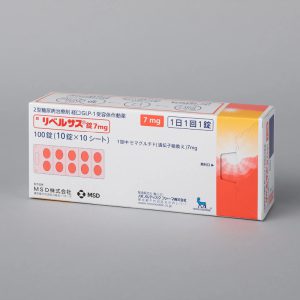
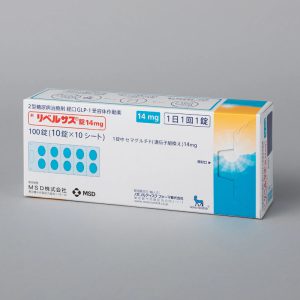
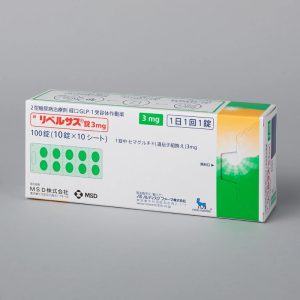
The system matched these relevant products from the article content: Buy Lucius Semaglutide online、Rybelsus semaglutide (Semaglutide Tablets) 7mg 100 tablets (Japanese version) – Buy online、Rybelsus semaglutide (Semaglutide Tablets) 14mg 100 tablets (Japanese version) – Buy online、Rybelsus semaglutide (Semaglutide Tablets) 3mg 100 tablets (Japanese version) – Buy online.
Use the related product cards below the article to review available specifications, prices, product information, and reviews.
No. This content is for general information and health education only. Follow the prescription and individual guidance provided by qualified healthcare professionals.